
Description
Product Overview
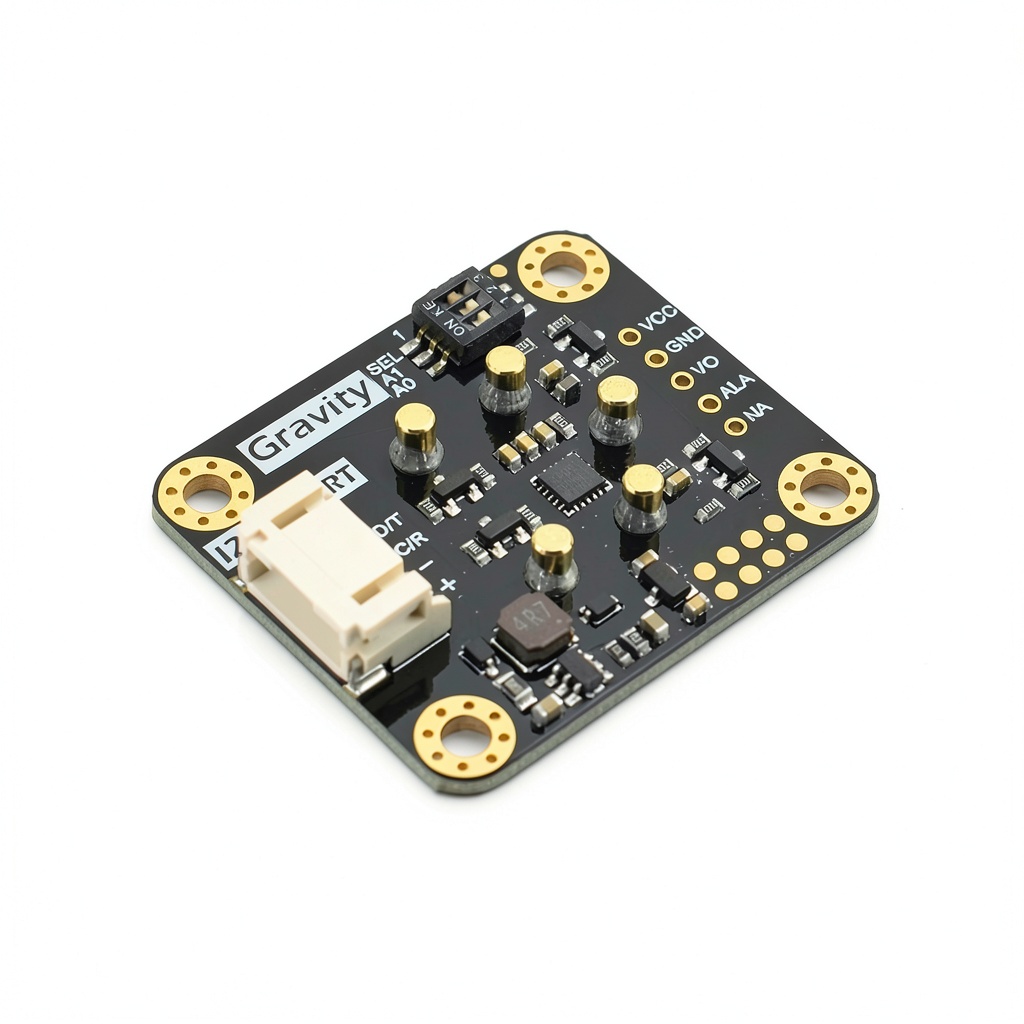
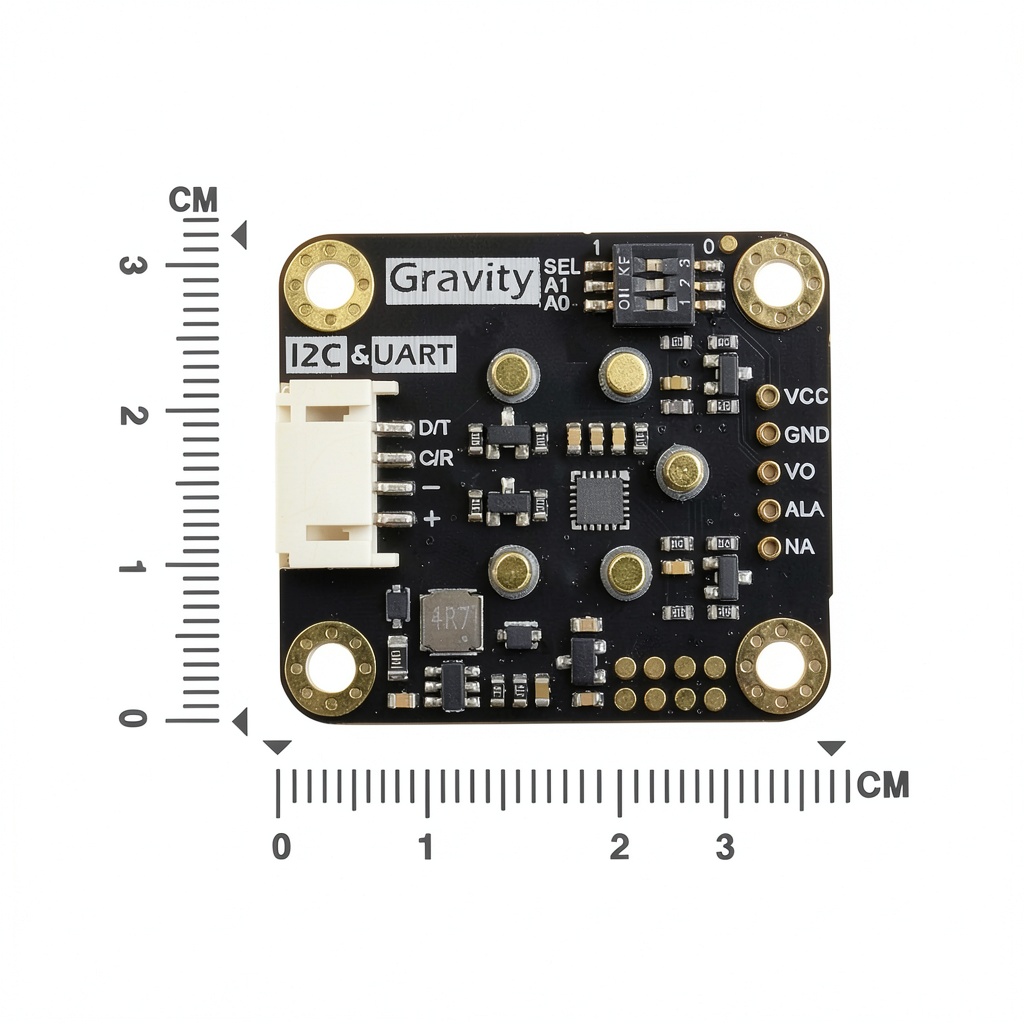
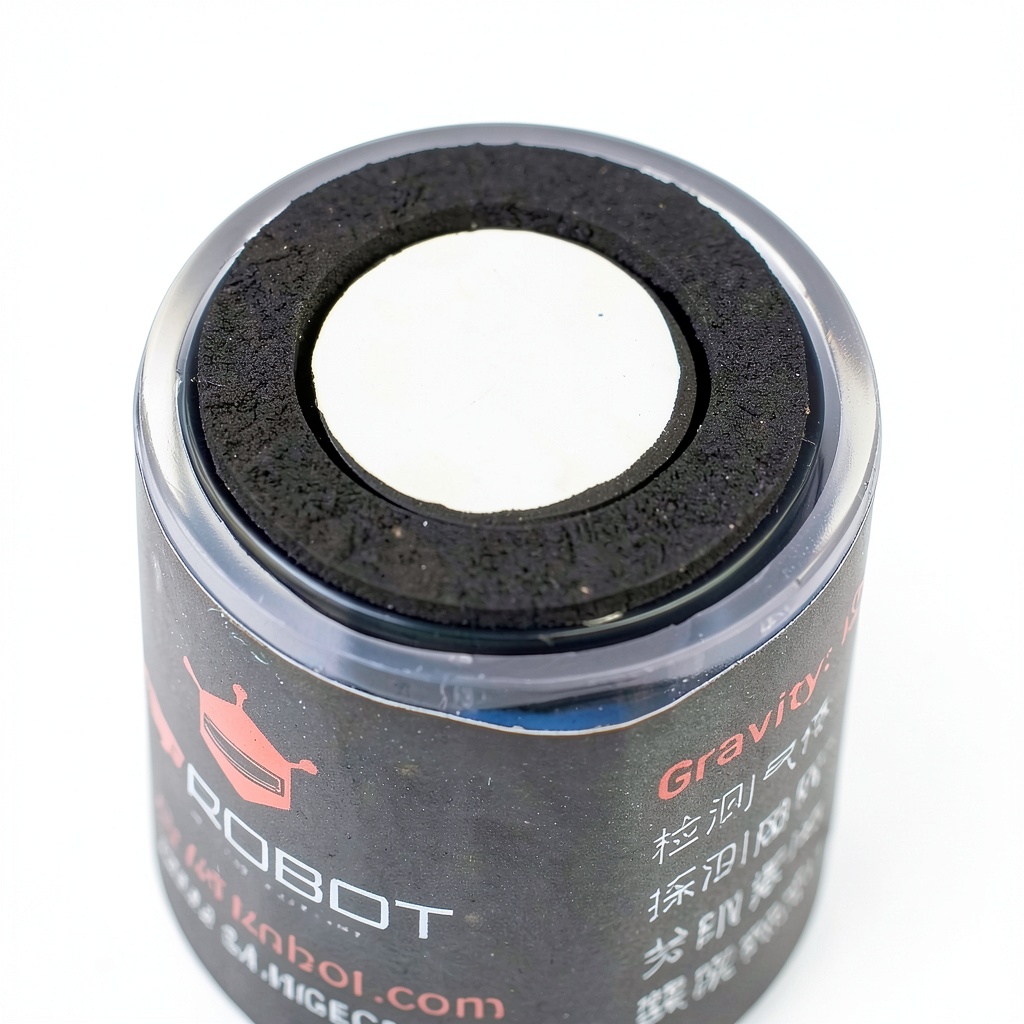
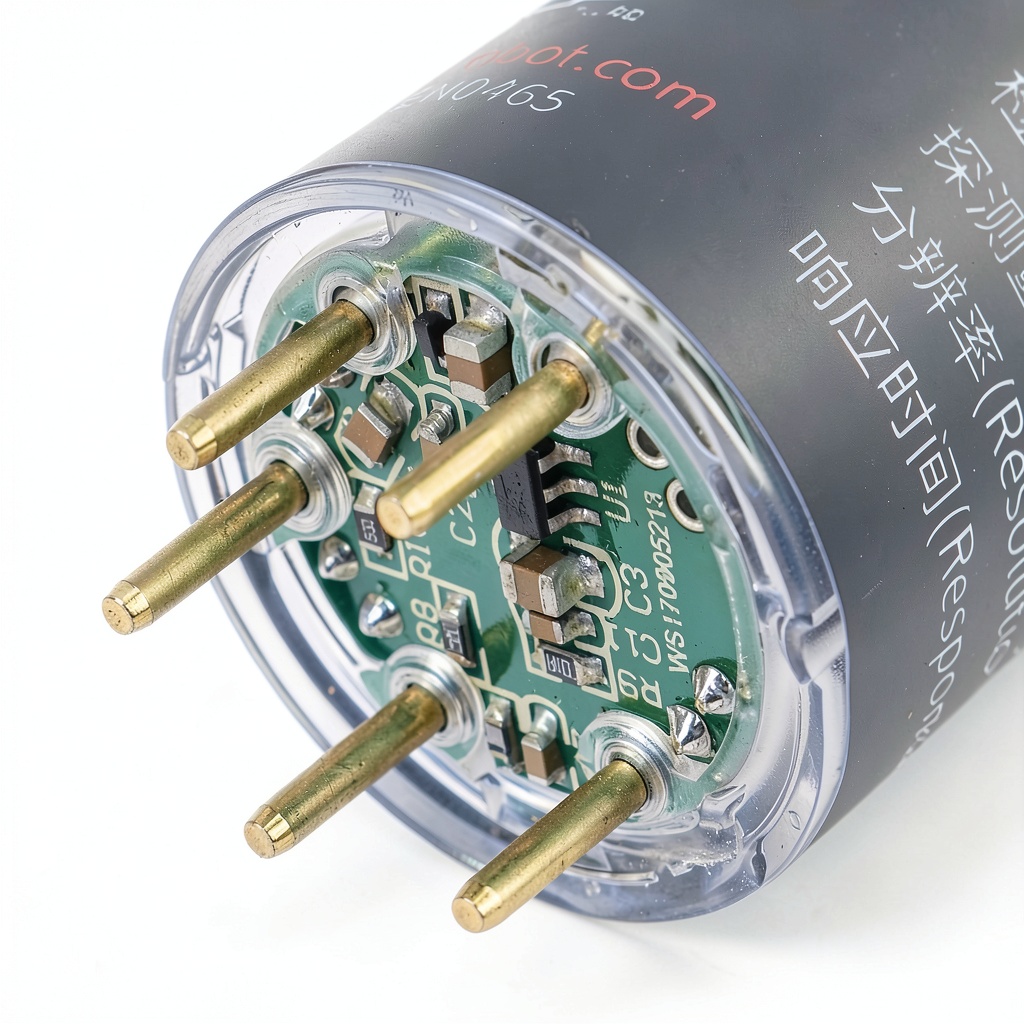
The Gravity O2 Sensor (model SEN0466) from DFRobot is a precision‑engineered electrochemical probe designed to deliver accurate oxygen concentration readings across a wide range of industrial and scientific environments. Factory calibration ensures that each unit provides reliable data out of the box, eliminating the need for time‑consuming field calibration procedures. The sensor’s compact form factor—measuring just 5.12 x 3.54 x 1.57 inches and weighing only 3.2 ounces—makes it easy to integrate into portable devices or fixed‑install monitoring stations.
Built on a robust electrochemical principle, the sensor exhibits strong anti‑interference capabilities, high stability, and exceptional sensitivity to oxygen levels. Its internal chemistry is optimized for a service life of up to two years, reducing maintenance costs and downtime for long‑term deployments. The device also incorporates an integrated temperature compensation algorithm, which automatically corrects for temperature variations, ensuring consistent performance from low‑temperature labs to high‑heat industrial settings.
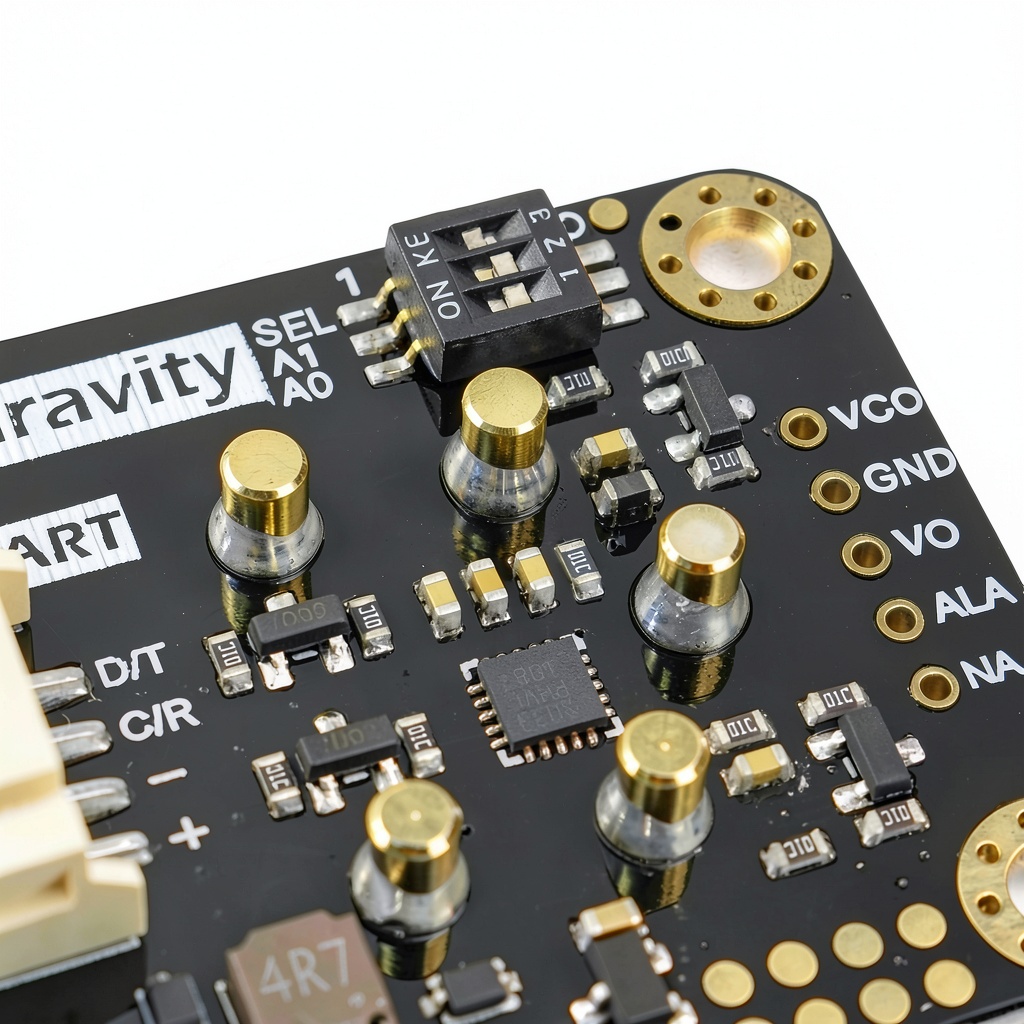
One of the standout features of this sensor is its flexible communication options. It supports three output modes—analog voltage, I2C, and UART—allowing developers to choose the most suitable interface for their application. The I2C bus offers 32 programmable addresses, enabling multiple sensors to coexist on a single bus without address conflicts. The UART mode provides a straightforward serial link for systems that prefer asynchronous communication.
DFRobot has designed the Gravity O2 Sensor with a user‑friendly software ecosystem. Sample code and a clear Gravity interface library are provided, accelerating development cycles for Arduino, ESP32, Raspberry Pi, and other popular microcontroller platforms. The library abstracts low‑level communication details, letting engineers focus on higher‑level functionality such as threshold alarms, data logging, and real‑time visualization.
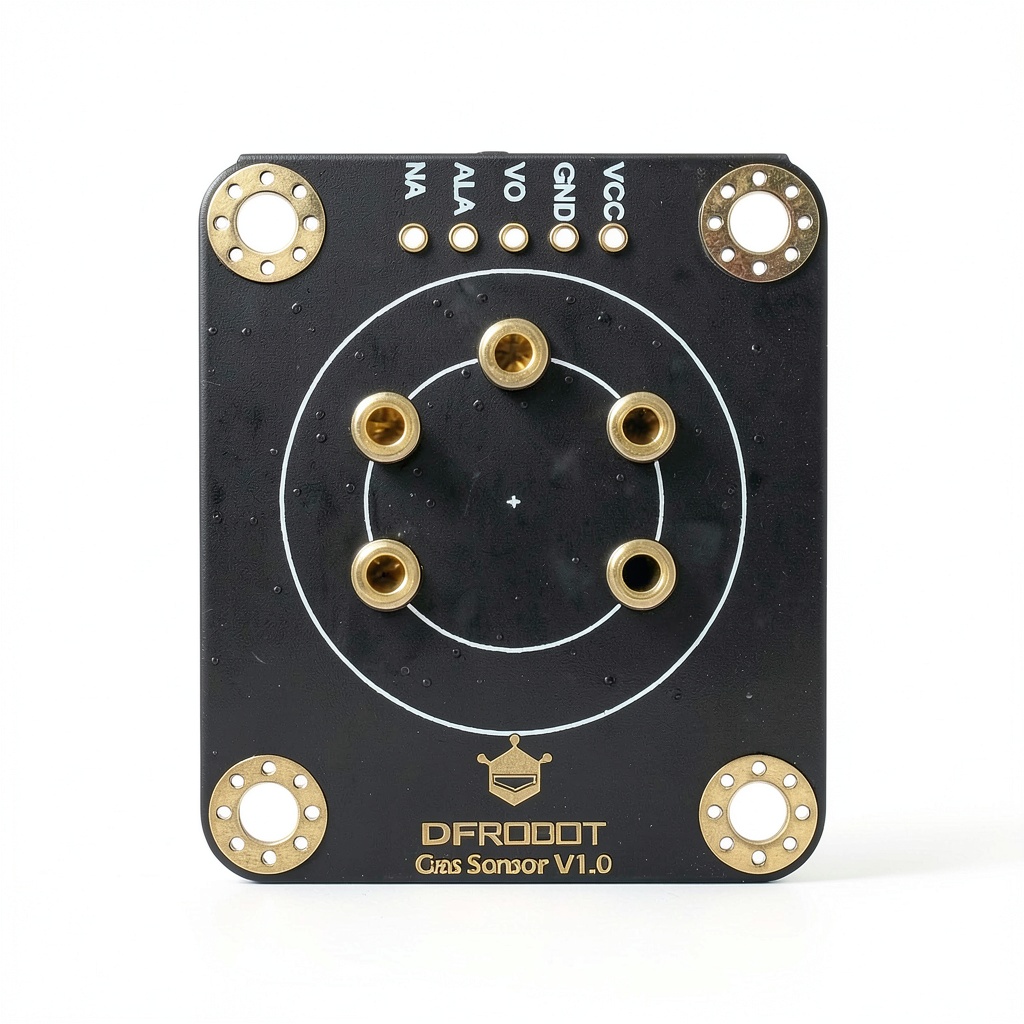
In addition to the O2 sensor, DFRobot offers a family of twelve gas detection sensors—including CO, NH3, H2S, NO2, HCl, H2, PH3, SO2, O3, Cl2, and HF—that share the same mechanical footprint and data format. This compatibility enables users to build multi‑gas detection systems by simply swapping probes, streamlining hardware design and reducing inventory complexity for research labs and field technicians alike.
![[Product front view showing all components]](https://www.detoxshop.store/wp-content/uploads/2026/07/1c4de22da6af42d3ac95589b3f0db6e4.jpg)
Usage
The Gravity O2 Sensor is ideally suited for a variety of applications where precise oxygen monitoring is critical. In laboratory settings, it provides researchers with reliable data for experiments involving combustion, respiration, and chemical synthesis. Its fast response time and high sensitivity make it an excellent choice for kinetic studies and catalyst testing, where minute changes in oxygen concentration can have significant implications.
Environmental monitoring professionals benefit from the sensor’s durability and low power consumption. Deployed in outdoor stations, the sensor can continuously track oxygen levels in ambient air, water bodies, and soil gases, contributing valuable data for climate research and pollution assessment. The built‑in temperature compensation ensures accurate readings despite fluctuating weather conditions.
Industrial users leverage the sensor for process control and safety compliance. In manufacturing plants, the sensor detects oxygen levels in gas handling systems, preventing hazardous conditions such as explosive mixtures or insufficient combustion. Its UART output integrates seamlessly with PLCs and SCADA systems, providing real‑time alerts and automated shutdown procedures when oxygen thresholds are breached.</n
Portable diagnostic devices, such as handheld gas analyzers, also incorporate the Gravity O2 Sensor due to its small size and low weight. Field technicians can quickly assess oxygen concentrations in confined spaces, ventilation systems, or confined work environments, enhancing occupational safety and ensuring regulatory standards are met.
Educational institutions use the sensor as a teaching tool for electronics and chemistry courses. Students can program microcontrollers to read oxygen data, visualize trends, and explore the principles of electrochemical sensing, fostering hands‑on learning and interdisciplinary collaboration.
Why Choose Us
Choosing DFRobot means partnering with a trusted leader in open‑source hardware and scientific instrumentation. Each Gravity O2 Sensor undergoes rigorous quality assurance testing, guaranteeing performance consistency across batches. The factory‑calibrated nature of the sensor eliminates the variability often encountered with uncalibrated devices, delivering confidence in every measurement.
Our commitment to customer support extends beyond the point of sale. DFRobot provides comprehensive documentation, including datasheets, wiring diagrams, and software libraries, all freely available on our website. Technical assistance is offered through forums, email, and live chat, ensuring that developers receive timely help for integration challenges or troubleshooting.
The sensor’s modular design aligns with DFRobot’s broader ecosystem of compatible accessories, such as breakout boards, cable assemblies, and mounting hardware. This ecosystem simplifies system integration, reduces development time, and allows for rapid prototyping of custom solutions.
Environmental sustainability is a core value for DFRobot. The sensor’s long service life minimizes waste, and the device is manufactured using environmentally responsible processes. By selecting our sensor, customers contribute to greener practices while achieving high‑performance results.
Finally, DFRobot’s extensive portfolio of gas sensors enables seamless expansion of detection capabilities. Users can start with the O2 sensor and later add complementary probes to monitor multiple gases, all while maintaining a consistent hardware and software interface. This scalability protects investment and future‑proofs projects against evolving analytical needs.
Key Features
- Factory‑calibrated electrochemical probe delivers accurate oxygen readings without field calibration.
- Supports analog, I2C, and UART outputs, with 32 programmable I2C addresses for flexible system design.
- Integrated temperature compensation ensures stable performance across a wide temperature range.
- High sensitivity and two‑year service life reduce maintenance costs and increase reliability.
- Comprehensive DFRobot support, including sample code, libraries, and responsive technical assistance.
FAQ
What is the measurement range of the Gravity O2 Sensor?
The sensor accurately measures oxygen concentrations from 0% to 100% by volume, making it suitable for both low‑oxygen and high‑oxygen environments. Its linear response and factory calibration provide reliable data across the entire range.
How do I switch between I2C and UART communication modes?
The sensor includes a simple jumper configuration on the breakout board. By setting the jumper to the I2C position, the device communicates over the I2C bus; moving the jumper to the UART position enables serial communication. Detailed wiring diagrams are provided in the documentation.
Can the sensor be used in high‑humidity or corrosive gas environments?
Yes. The electrochemical cell is sealed to protect against moisture and most corrosive gases. However, for extremely aggressive environments, additional protective housings are recommended to extend sensor lifespan.
What kind of power supply does the sensor require?
The sensor operates on a standard 3.3 V to 5 V supply, compatible with most microcontroller platforms. Power consumption is low, typically under 10 mA during active measurement, which is ideal for battery‑powered portable devices.
Is the sensor compatible with existing DFRobot gas detection systems?
Absolutely. The Gravity O2 Sensor shares the same mechanical dimensions and data format as the other DFRobot gas sensors in the series. This compatibility allows you to combine multiple gas probes in a single system, using the same software libraries and hardware interfaces.
Reviews
There are no reviews yet.